Giro · delle · Sette · Chiese
The Pilgrimage of the Seven Churches
Walk in the footsteps of Saint Philip Neri through Rome. Discover this centuries-old spiritual tradition linking the seven major basilicas in a journey of prayer and beauty.
Free · no account · offline · eight languages

A tradition born in the heart of Rome
Since the 16th century, thousands of pilgrims have walked the paths of the Eternal City.
In the 16th century, Saint Philip Neri (1515–1595), a Roman priest of Florentine origin and founder of the Oratory, proposed to the faithful of Rome an original form of pilgrimage: to visit in a single day the seven major basilicas of the city.
"Dear pilgrim, go with confidence along the roads of Rome. They will lead you to Peter, Paul, John, and the apostles of Jesus."
This devotion, called the Giro delle Sette Chiese, was born as a response to the Roman carnival. Philip Neri wished to offer a joyful spiritual alternative, combining prayer, walking, singing and picnicking in the Roman countryside that then separated the basilicas.
Illustrious saints have completed this pilgrimage: Ignatius of Loyola, Charles Borromeo and Pope Saint Pius V. The tradition remains alive today, particularly on Ash Wednesday and during Lent.
The guide, at every step
The complete guide to the pilgrimage, free and without advertising: the seven stages, the walking route, the prayers and the history of each basilica. It also works without a connection.
The guide is free. If you wish, you can support the pilgrimage with a donation. What your donation makes possible
- The seven stages and the walking route
- The prayers and the history of each basilica
- Eight languages, including Latin
- Without a connection, once opened
The Seven Basilicas
A route of approximately 25 km through the history, art and faith of Rome.
The four major basilicas
-
I
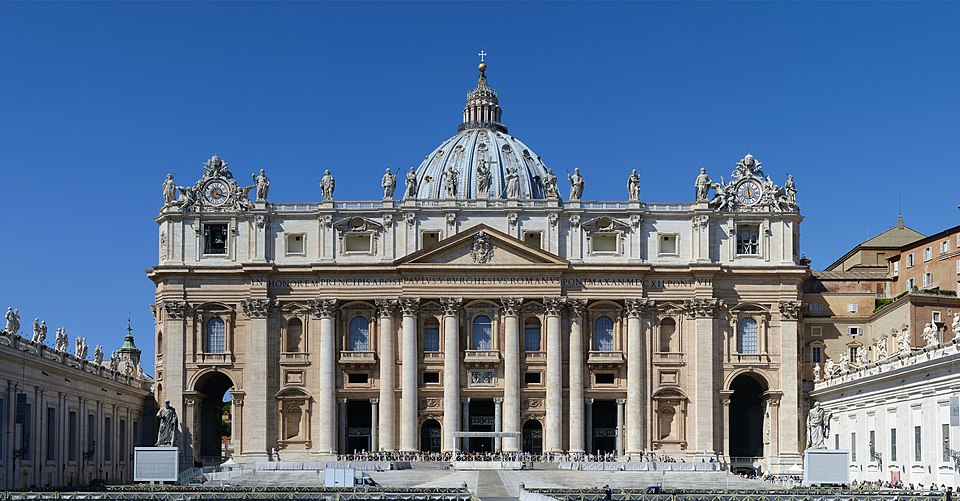
San Pietro in Vaticano
Saint Peter's Basilica
The heart of Christianity, built over the tomb of the apostle Peter. A masterpiece by Bramante, Michelangelo and Bernini. The pilgrimage begins here, at the threshold of the Vatican.
-
II
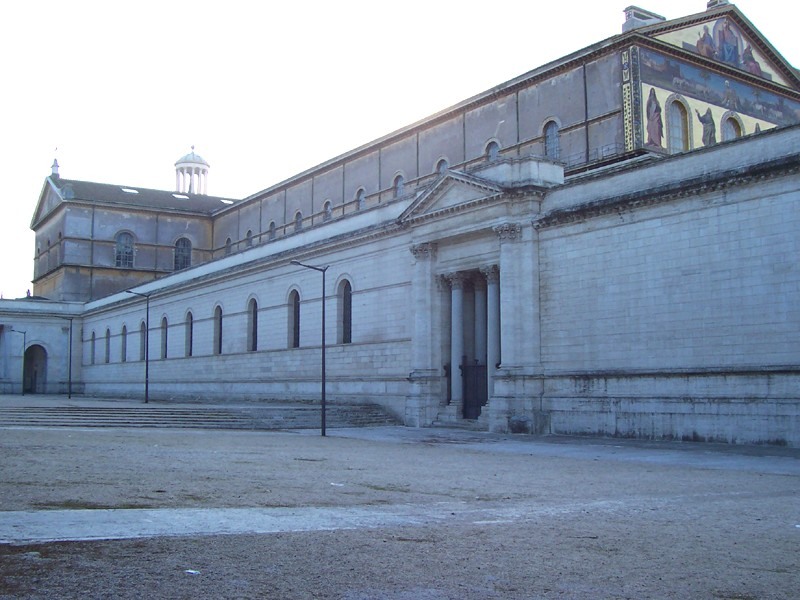
San Paolo fuori le Mura
Saint Paul Outside the Walls
A major basilica erected over the tomb of Saint Paul. Rebuilt after the fire of 1823, it retains its spectacular mosaics and portraits of all the popes.
-
IV
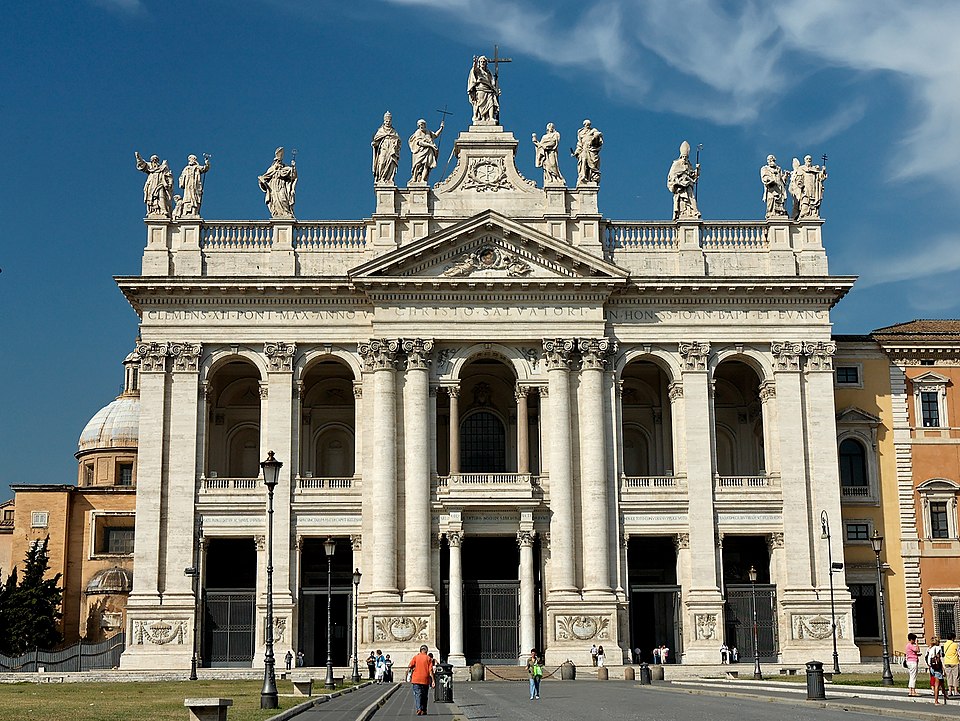
San Giovanni in Laterano
Saint John Lateran
The cathedral of Rome and "mother of all churches in the world." Founded by Constantine, it houses the Scala Santa and the oldest baptistery in Christendom.
-
VII
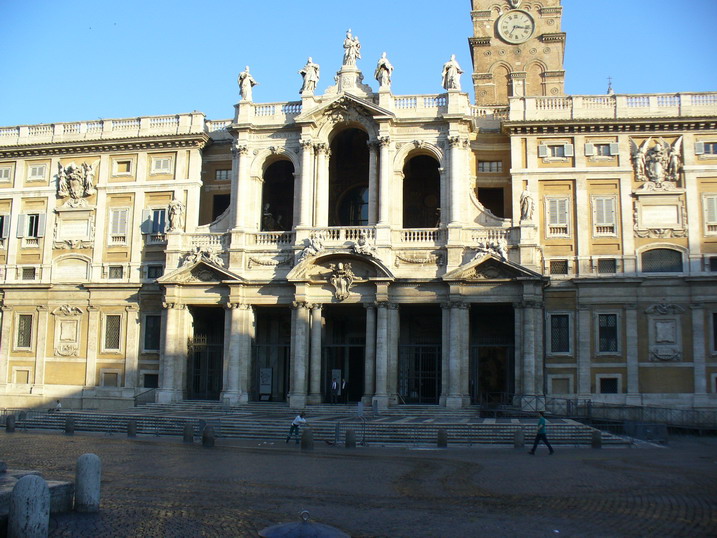
Santa Maria Maggiore
Santa Maria Maggiore
The largest Roman church dedicated to the Virgin Mary. Founded after the miracle of the snow in August 358, it preserves the most precious early Christian mosaics in Rome.
The three minor basilicas
-
III
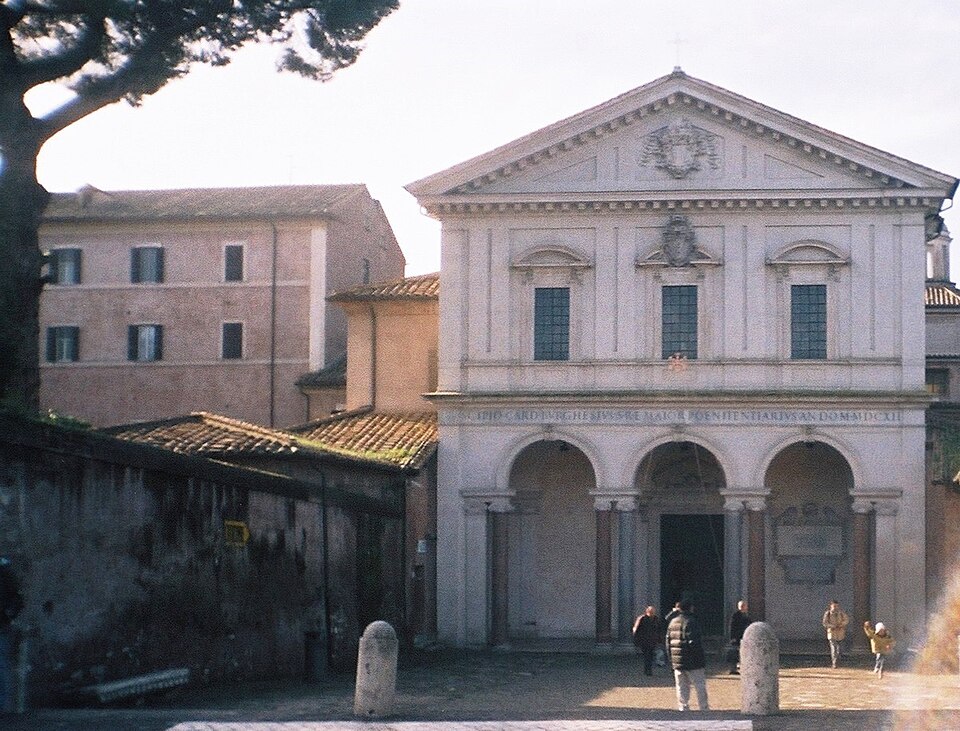
San Sebastiano fuori le Mura
Saint Sebastian Outside the Walls
Guardian of the catacombs that bear its name. It once temporarily housed the relics of Peter and Paul. A church of memory and silence on the Via Appia.
-
V
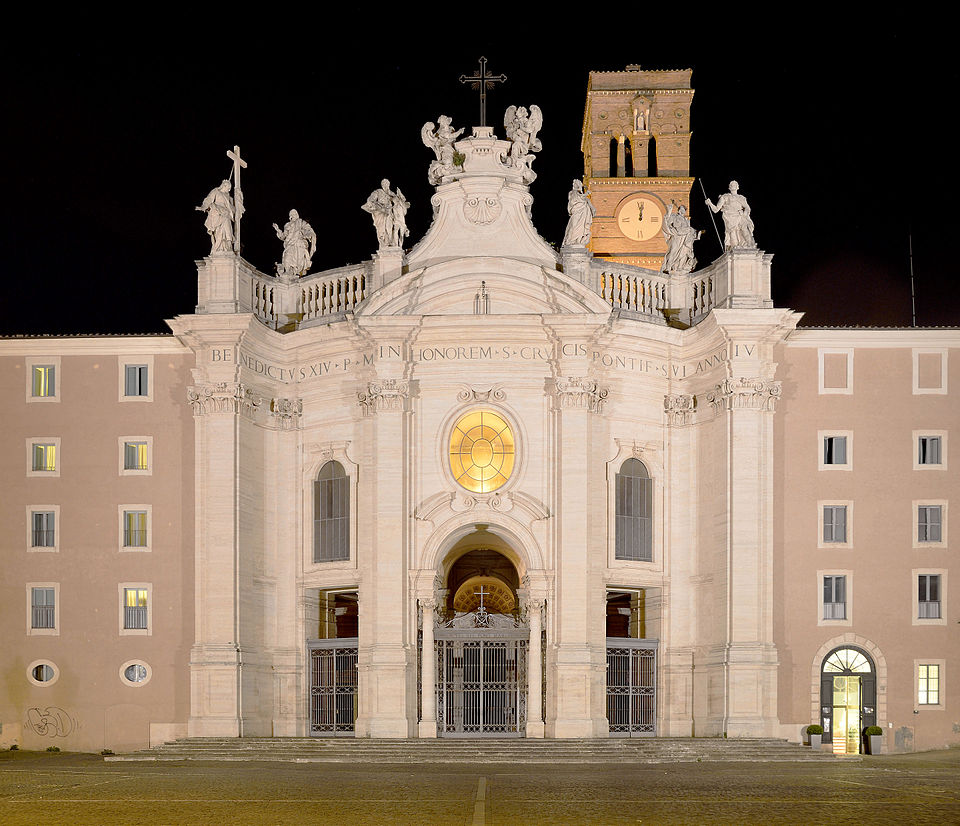
Santa Croce in Gerusalemme
Holy Cross in Jerusalem
The imperial chapel of Saint Helena, mother of Constantine. It preserves notable relics of the Passion of Christ brought back from the Holy Land.
-
VI
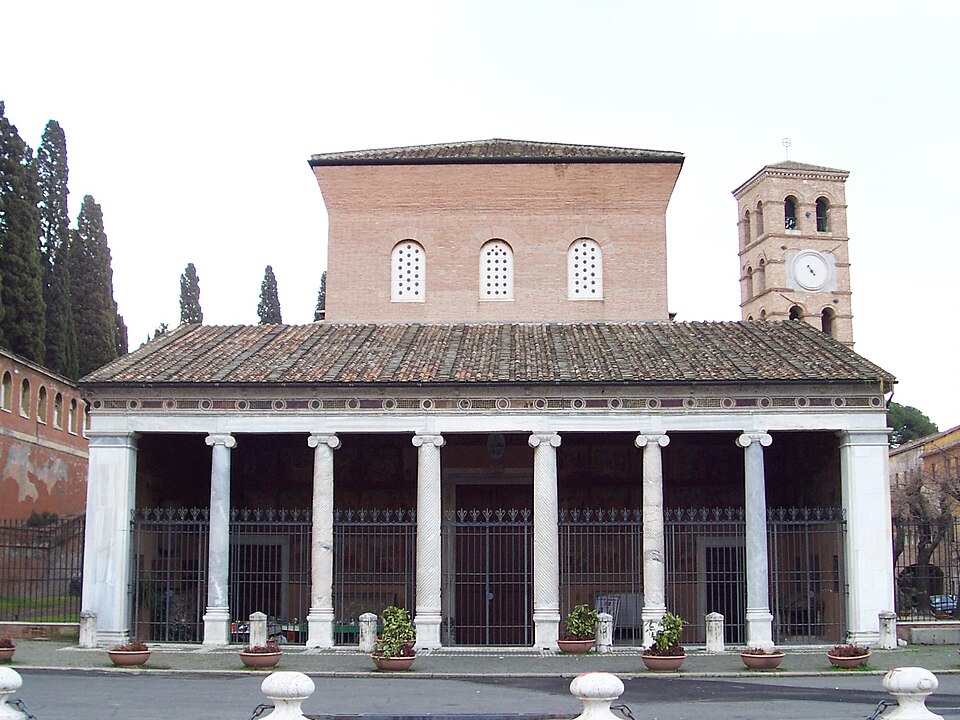
San Lorenzo fuori le Mura
Saint Lawrence Outside the Walls
Basilica of the deacon and martyr Lawrence, burned alive under Valerian in 258. A unique assembly of two fused churches, it is also the burial place of Pius IX.
The pilgrimage route
From Saint Peter's to Santa Maria Maggiore, approximately 25 km through the Eternal City.
Hover over or tap a basilica to learn more.
Practical Information
Everything you need to know to undertake the pilgrimage.
-
Distance
Approximately 25 km of walking through the city. Allow 8 to 10 hours including visits to the basilicas and times for prayer.
-
When to go
Strong tradition on Ash Wednesday and during Lent. Possible year-round. Avoid July–August (heat). Spring and autumn are ideal.
-
Opening Hours
Basilicas generally open at 7:00 am (Saint Sebastian at 8:15 am) and close between 6:00 and 8:00 pm depending on the season. Saint Lawrence closes from 12:00 to 4:00 pm: arrive in the morning or after 4:00 pm. Recommended departure: 7:00 am from the Vatican.
-
What to bring
Comfortable walking shoes, water, snacks. A shawl for the shoulders. The pilgrimage guide for prayers and the history of each stage.
-
Itinerary
San Pietro → San Paolo → San Sebastiano → San Giovanni → Santa Croce → San Lorenzo → Santa Maria Maggiore. Follow the historic route of Philip Neri.
-
Spirit of the pilgrimage
Philip Neri wanted a joyful pilgrimage. There is prayer, singing and picnicking along the way. What matters is the disposition of the heart, not athletic performance.
In the media
The pilgrimage of the seven churches covered by the international press.
-
Vatican News
Le pèlerinage des sept églises, sur les traces des martyrs du christianisme
« C'est le pape saint Grégoire le Grand au VIe siècle qui, le premier, organise un parcours pour inviter les pèlerins à venir se recueillir sur les reliques des martyrs »
14 mars 2025
-
Aleteia
Jubilé : le retour en grâce du pèlerinage des sept églises de Rome
Marc Reverdin, passionné par l'histoire de ce pèlerinage, propose un nouvel itinéraire qui allie la tradition aux meilleures conditions pratiques et esthétiques.
14 mars 2025
-
Aleteia
Cet héritage d'une incroyable actualité laissé par saint Philippe Néri
Saint Philippe Néri voyait dans le pèlerinage « le lieu d'expression d'une foi proposant un équilibre entre le corps et l'âme »
25 mai 2025
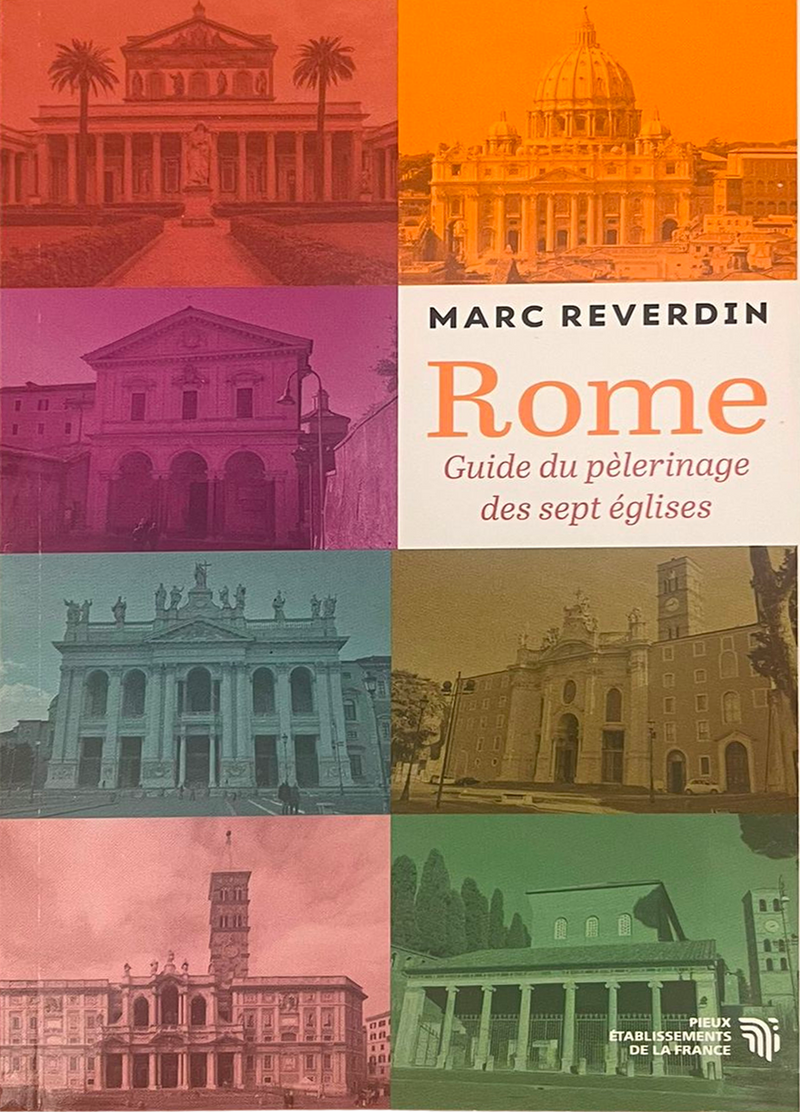
Where to get the guide
Guide du Pèlerinage des Sept Églises by Marc Reverdin — Preface by Mgr Rino Fisichella, organiser of the 2025 Jubilee.
Order online
From the shop of the Pious French Establishments in Rome.
€12 — delivery across Europe.
In store in Rome
At the shop of the Church of Saint-Louis-des-Français, steps from the Pantheon.
- Address
- Piazza di San Luigi dei Francesi, 00186 Roma
- Opening hours
- Mon–Fri: 9:30 am–12:45 pm / 2:30 pm–6:30 pm
Sat: 9:30 am–12:00 pm / 2:30 pm–6:30 pm
Sun: 12:00 pm–12:45 pm / 2:30 pm–6:30 pm
The Author